
Table of Contents
Introduction to traditional Mexican architecture
Traditional Mexican houses are a vivid reflection of their history, culture and creativity. Each one expresses Mexico’s unique identity and showcases its glorious history through distinctive designs and beautiful materials. There are many Mexican house styles, ranging from the vast haciendas of days gone by to adobe houses built with organic materials. Whether you are a lover of design or simply searching for ideas and inspiration for your own home, there is a traditional Mexican house you can fall in love with and a design that is everlasting. We take you through seven breathtaking homes with a touch of traditional Mexican character and beauty!
Hacienda style homes: grand and luxurious
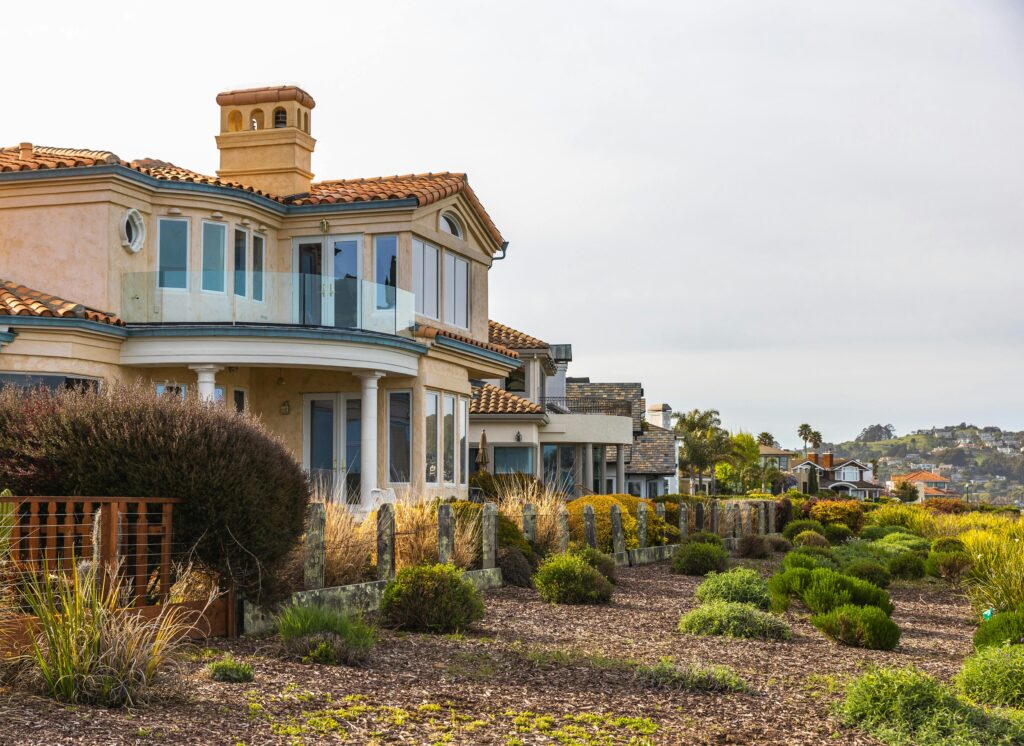
Hacienda homes are for you if you’re looking for true luxury and glory! Developed during the colonial age, haciendas are large country estates developed to display wealth and might! These haciendas will be very large, have many high ceilings, and convey a sense of extreme wealth, likely with one or more large, florally inspired courtyards! These homes are very open, which lets natural light flow through!
Upon entering, you’ll find detailed tilework and carved wooden beams that add character. Many have a beautifully tiled fountain or pool at their centre, designed for the homeowner’s convenience and to capture the beauty of light and water. Many haciendas feature a smooth indoor-outdoor living space. Overlooking their terraces are intricately designed, brightly coloured traditional gardens. To reside in a hacienda is a way of living of opulence, majesty and a fragment of history.
Casas coloniales: charm and character
Absolutely gorgeous colonial homes – such history and character! Normally, these houses have bright colours, ornate tilework, and fancy wrought ironwork. Most of the houses had large courtyards and high ceilings with beams, built within adobe walls. The whole setting is beautiful history.
Antique and modern furniture feature in the house’s interior. This, combined with the friendly and comfortable ambience, creates welcoming homes. Bright and spacious, these beautiful homes have a sunny sitting room and lovely views from every room, looking either to the brightly planted and coloured gardens or down to the busy and interesting street scene.
Adobe houses: eco-friendly and sustainable
Adobe homes are definitely the emblem of sustainability. Made from raw materials like mud, sand and straw, adobe homes are a much more eco-friendly alternative to a normal contemporary house. Their thick walls act as the finest insulators, keeping houses cool in the summer and warm in the winter, thus reducing dependence on an external energy source. They also have a very low environmental impact, as the materials required are generally gathered from the surrounding environment, thus reducing transport emissions, and they are fully biodegradable.
The inherent beauty of adobe houses – earthy-coloured and rough-surfaced – enables them to blend perfectly with their environment, combining architectural elements with nature and the aesthetic traditions preserved for centuries. Dwelling in an adobe house fosters a profound connection among the inhabitants, the dwelling’s history, culture, and the future of this planet.
Pueblo style homes: simple yet vibrant
The style is simple and colourful. Pueblo homes are Indian-style houses with organic and earthen features. They are naturally insulating homes, with adobe walls keeping them cool in summer and warm in winter. Nature plays a large role in these homes, as it is central to how the family lives. The houses feature open-plan layouts, making it easy for the family to spend time together. Warmth is added through vibrant Indian textiles and handmade pottery, which also helps nature, as it uses natural and indigenous products.
The house itself, outside, has an important element, too. If it were owned by people who used to have their friends and family around, they would have had coloured tiles decorating the patio. There is a bit of tradition in every part of the house; it is part of modern life in such a lovely house.
Colonial mansions: a blend of European and Mexican influences
Colonial mansions offer an interesting mixture of European and Mexican influences. Houses built during the Spanish rule of Mexico are generally fancy and ornate in style, blending both cultures: “Houses have vaulted ceilings with wooden beams, which are very spacious and bright.” Arches make doorways and let sunlight enter. Decorative wrought iron grilles adorn most gates and balconies.
Parts of the walls and floor are finished with brilliant tiles that add colour to some rooms and floors, and feature decorative Mexican crafts in a colonial style. Within the interior patios, gardens have been created, offering a moment of peace away from the street and its activity. The walls, rendered and coloured in stucco, are distinguished by the stone carvings, each unique, showing their character and history not as mere art but as history and a link between two worlds. A story of endurance, of resilience, and of timeless beauty within the home in Mexico.
Traditional Mexican colors, materials, and design elements
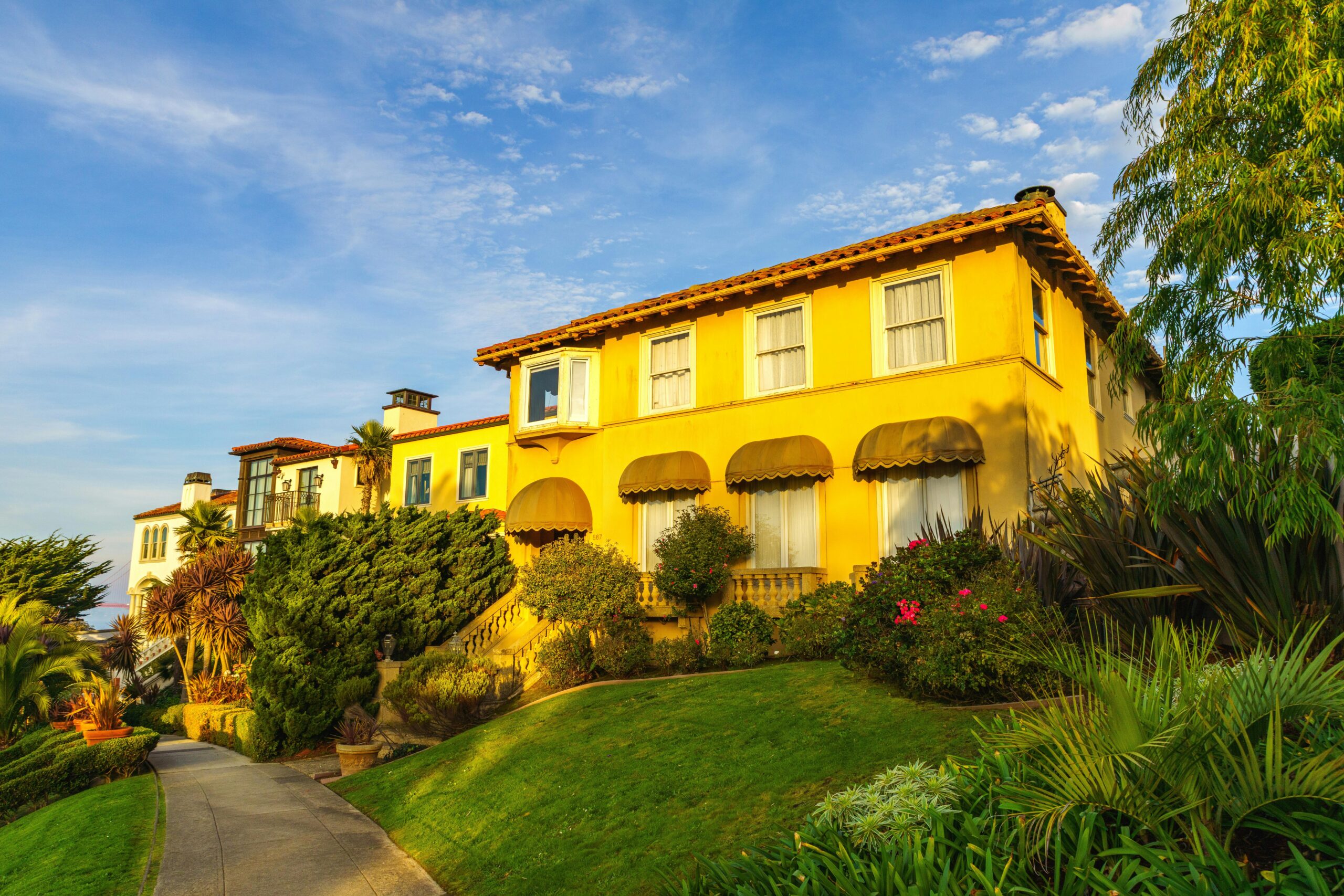
Traditional Mexican homes are lovely to look at, as they tend to be very colourful and feature varied textures on their exteriors. Houses are usually painted in natural shades of terracotta or vivid tones of turquoise or golden yellow (to mimic the colour and culture of the land), but they are made from a variety of materials. The charm of a traditional house is given by the mixture of these building materials – earthy clay adobe bricks that, although looking quite rough, create an inexpensive and stable wall; the colourful miniature art of hand-painted tiles on walls and floors; and the wooden, hand-cut beams creating interest in the ceiling or on walls.
Many traditions are involved in the construction of these homes, as they are built in accordance with old native ways of using their surroundings; it is typical to see an arch at the top of a window or doorway, giving a fluid sense of design, and they are usually painted in native styles or are decorated with similar motifs. Outdoor living space is valued as much as indoor space; courtyards might be lush and overflowing with plants or filled with colourful pots.
Tips for incorporating Mexican design into your home
Add vibrant colours to your home’s interior for a real sense of Mexico. Vibrant terracottas, electric blues or strong yellows all create the Mexican atmosphere. Add a truly authentic feel to all rooms in your house with wood, wrought iron or handmade/hand-carved furniture. With colourful, hand-woven textiles or cushions, all rooms in your house will be full of bold colour contrasts and cosy comfort. Warm colours or interesting patterns on all of your textiles. Bring the feeling of Mexico into kitchens or bathrooms using patterns from traditional Talavera tiles. Complement your indoor and outdoor spaces with an expansive Mexican landscape by introducing a variety of cacti and succulents or by including original paintings and handmade art.
Conclusion
The Traditional Mexican house embodies the rich history and beautiful culture of Mexico. There are several variations of Mexican homes, each showing a facet of this particular architectural style, and as such, all share the architectural detail of being the “spirit of the home”. From the most humble Puebla house design to the opulent hacienda house design, all traditional Mexican houses share a Mexican spirit.
Bring the comfort and colours of traditional Mexican home design into your life! How easy it is to have all the details of Mexican design in your home, like colourful walls painted in bright colours, or colourful and richly painted tiles on floors, or even wooden roofs – all of it can be brought into your world! Understand Mexican design, open your mind and imagination to it, and make these incredible details part of your world!
FAQs:
What are traditional Mexican homes?
Traditional Mexican homes are colourful, made of natural materials, and influenced by Mexican culture.
Why do people like the traditional Mexican home style?
The traditional Mexican home is popular because it is aesthetically appealing and both practical and classic.
Are traditional Mexican homes good for the environment?
Traditional Mexican homes made of adobe and other natural materials are good for the environment and help keep them warm.
What colors are traditional in a house?
In a traditional Mexican house, there are many and varied colors, such as the terracotta color, yellow, blue, red, etc.; these colors are very natural; they are colors of nature and culture.
Can I use a typical Mexican house part in a modern house?
The typical Mexican house features many elements that can be incorporated into a modern house, such as wooden beams, colourful tiles, and handmade decorative items.